Marble vs. Quartz: Which Is Right for Your Kitchen?
Marble and quartz are two of the most popular countertop materials, and both can look genuinely stunning — but they behave very differently day to day. Here’s a straightforward comparison to help decide which fits your kitchen and your lifestyle.
What Each Material Actually Is
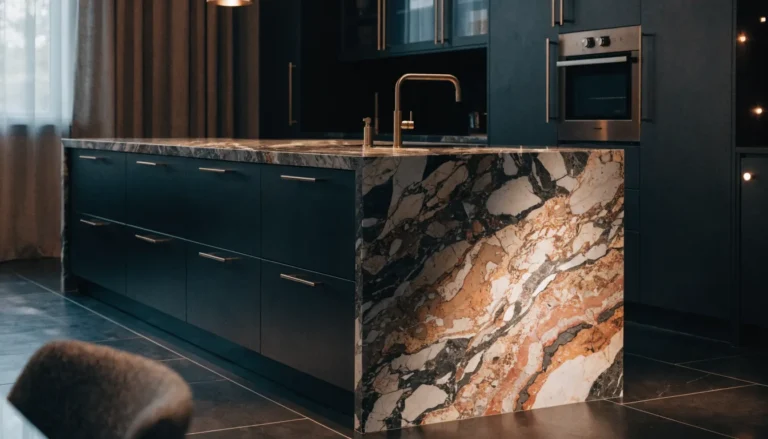
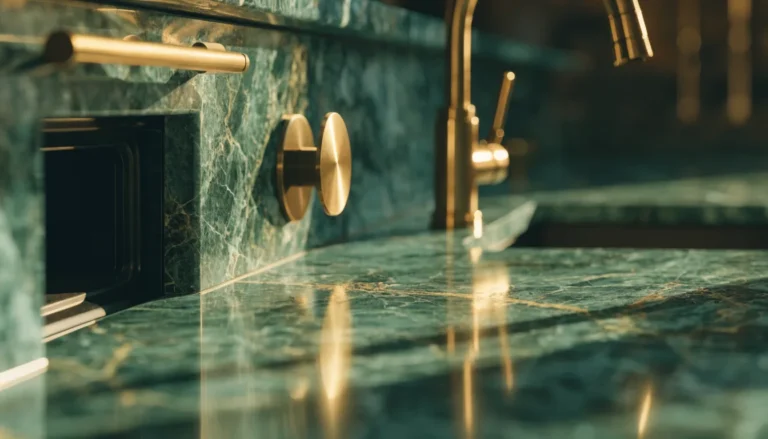
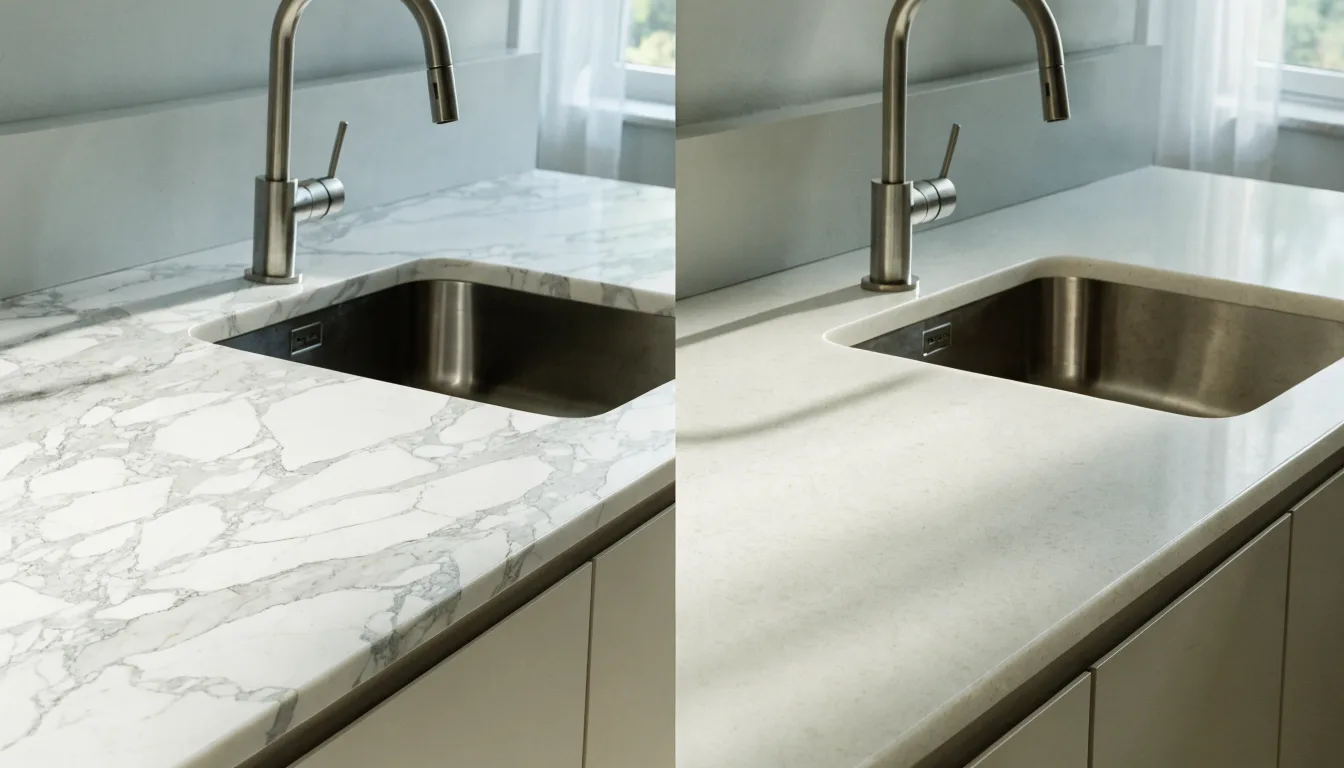
Marble is a natural stone, quarried from the earth. Every slab is unique, with its own veining and pattern — no two are identical. Quartz is an engineered material, made from crushed natural quartz combined with resin, which means its pattern is far more consistent and can be manufactured to mimic the look of marble or other natural stone.
Durability and Daily Use
This is where the two materials differ most. Marble is porous and softer than quartz, which means it’s more prone to staining, etching (a dulling of the surface from acidic foods like lemon juice or wine), and scratching over time. Quartz, being engineered, is non-porous and significantly more resistant to stains and scratches, making it a lower-maintenance choice for a heavily used kitchen.
If your kitchen sees daily cooking, frequent spills, and heavy use, quartz is generally the more forgiving choice. If you’re drawn to the unique, natural character of real stone and don’t mind more careful upkeep, marble is hard to replace.
Maintenance
Marble typically needs periodic sealing (roughly once a year, depending on use) to help resist stains, along with prompt cleanup of acidic spills. Quartz requires essentially no sealing and can usually be cleaned with just soap and water, making it the lower-effort option long-term.
Look and Feel
This is where marble usually wins for people chasing a specific aesthetic — no engineered material fully replicates the organic, one-of-a-kind veining of real marble. Quartz has closed much of that gap in recent years with increasingly realistic patterns, but a trained eye (or a close touch) can usually tell the difference.
Cost
Pricing varies widely by supplier, slab quality, and region, so it’s worth getting quotes for your specific project rather than relying on general price comparisons. Both materials range from mid to high-end pricing depending on quality and sourcing, and neither is a clearly “cheaper” option across the board.
Which Should You Choose?
If you want low-maintenance durability for a busy, everyday kitchen, quartz is usually the safer choice. If you want the natural, unrepeatable beauty of real stone and are willing to maintain it properly, marble is worth the extra care.
Explore our marble and quartz kitchen accessories, read more in our materials guide, or get in touch with questions about care and maintenance.